



 by
by Facade Insulation: Why Is It Important and How to Do It Right?
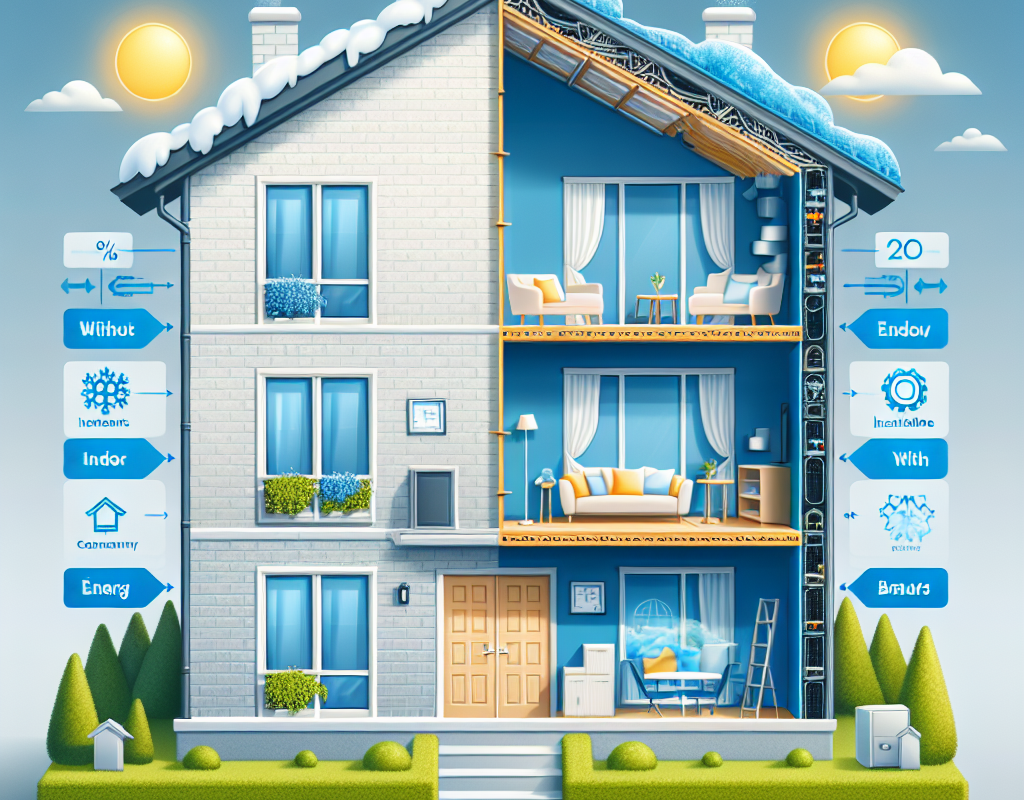
When it comes to ensuring energy efficiency and reducing heat loss in buildings, facade insulation plays a crucial role. The facade of a building is its outermost layer and acts as a shield against external environmental factors such as weather and temperature variations. Insulating the facade properly not only helps in maintaining a comfortable indoor environment but also significantly reduces energy consumption and lowers utility bills. In this article, we will discuss why facade insulation is important and how to do it right.
Why Is Facade Insulation Important?
There are several reasons why facade insulation is important:
- Energy Efficiency: Insulating the facade helps in preventing heat loss during winter and heat gain during summer, reducing the need for excessive heating or cooling. This, in turn, leads to reduced energy consumption and lower carbon emissions.
- Indoor Comfort: Properly insulated facades help in maintaining a comfortable indoor temperature by minimizing drafts, cold spots, and heat transfer through walls.
- Condensation Prevention: Insulation reduces the likelihood of condensation forming on internal walls, which can lead to dampness, mold growth, and structural damage over time.
- Acoustic Insulation: Insulating the facade can improve soundproofing, reducing noise pollution from the outside environment.
- Increased Property Value: A well-insulated facade adds value to a property by enhancing its energy performance and overall efficiency.
How to Do Facade Insulation Right?
When it comes to insulating the facade, it is essential to follow the right methods and use suitable materials. Here are some steps to consider:
- Evaluate the Existing Facade: Assess the current condition of the facade and check for any cracks, moisture issues, or structural problems that need to be addressed before insulation.
- Choose the Right Insulation Material: There are different insulation materials available, such as rigid foam boards, mineral wool, and spray foam insulation. Consider factors like thermal conductivity, fire resistance, environmental impact, and cost when selecting the material.
- Prepare the Surface: Clean the facade surface thoroughly and remove any loose paint or debris. Repair any damaged areas and ensure a smooth and even surface for insulation.
- Install the Insulation: Follow the manufacturer’s instructions and ensure that the insulation material is properly installed, covering the entire facade. Pay attention to sealing joints and gaps to prevent thermal bridging.
- Protect and Finish the Facade: Once the insulation is in place, add a protective layer such as a weather-resistant cladding or render to safeguard the insulation and enhance the facade’s appearance.
It is important to note that facade insulation should always be done by trained professionals to ensure a proper installation and maximize the benefits. Hiring a certified insulation contractor can help ensure quality workmanship and adherence to building codes and regulations.
Whether it is a residential building or a commercial establishment, facade insulation significantly contributes to energy efficiency and overall comfort. By reducing heat loss, minimizing condensation, and improving acoustics, it plays a vital role in creating a sustainable and comfortable living or working environment.
For more information on facade insulation, you can visit Wikipedia’s page on thermal insulation.